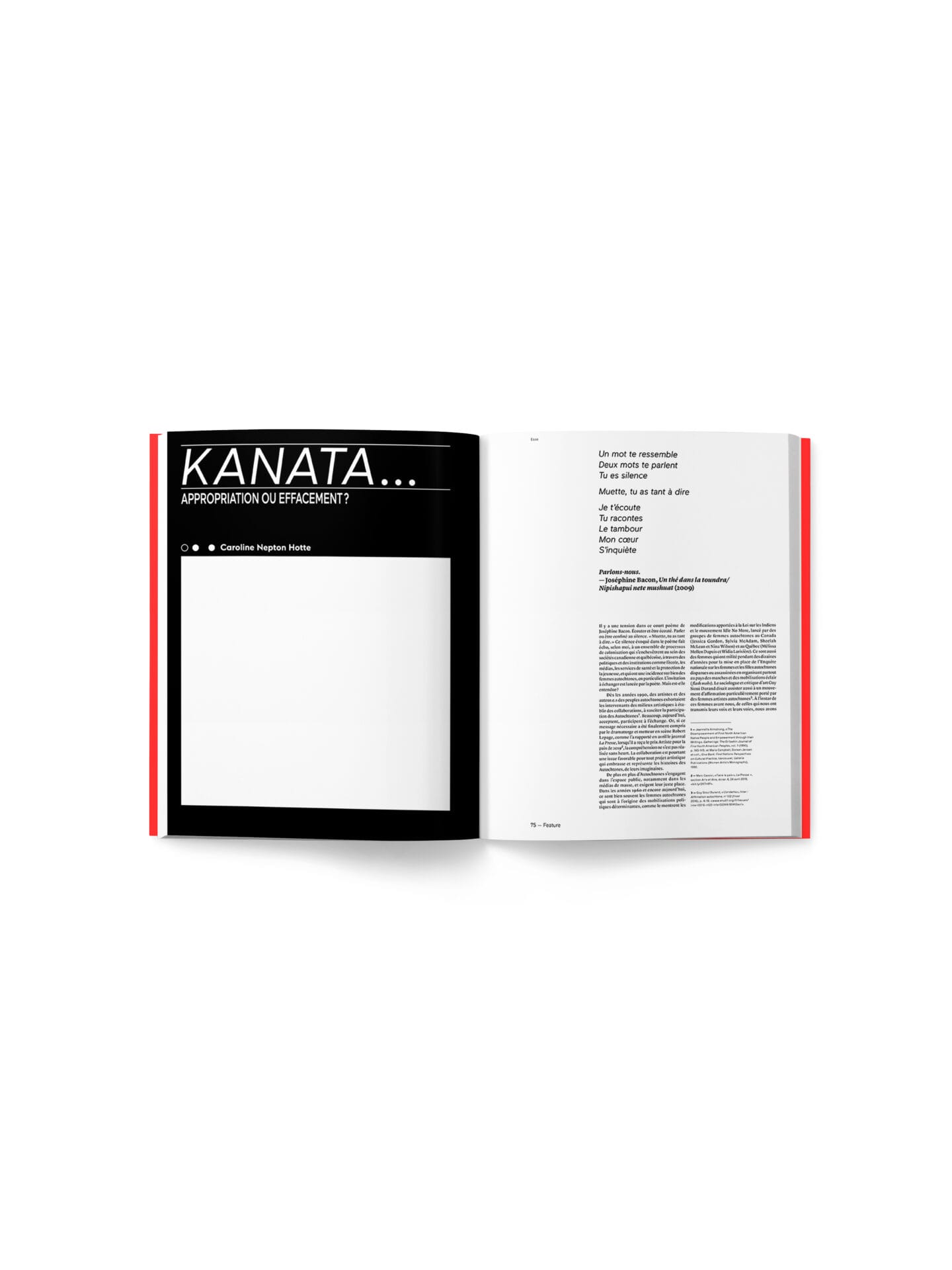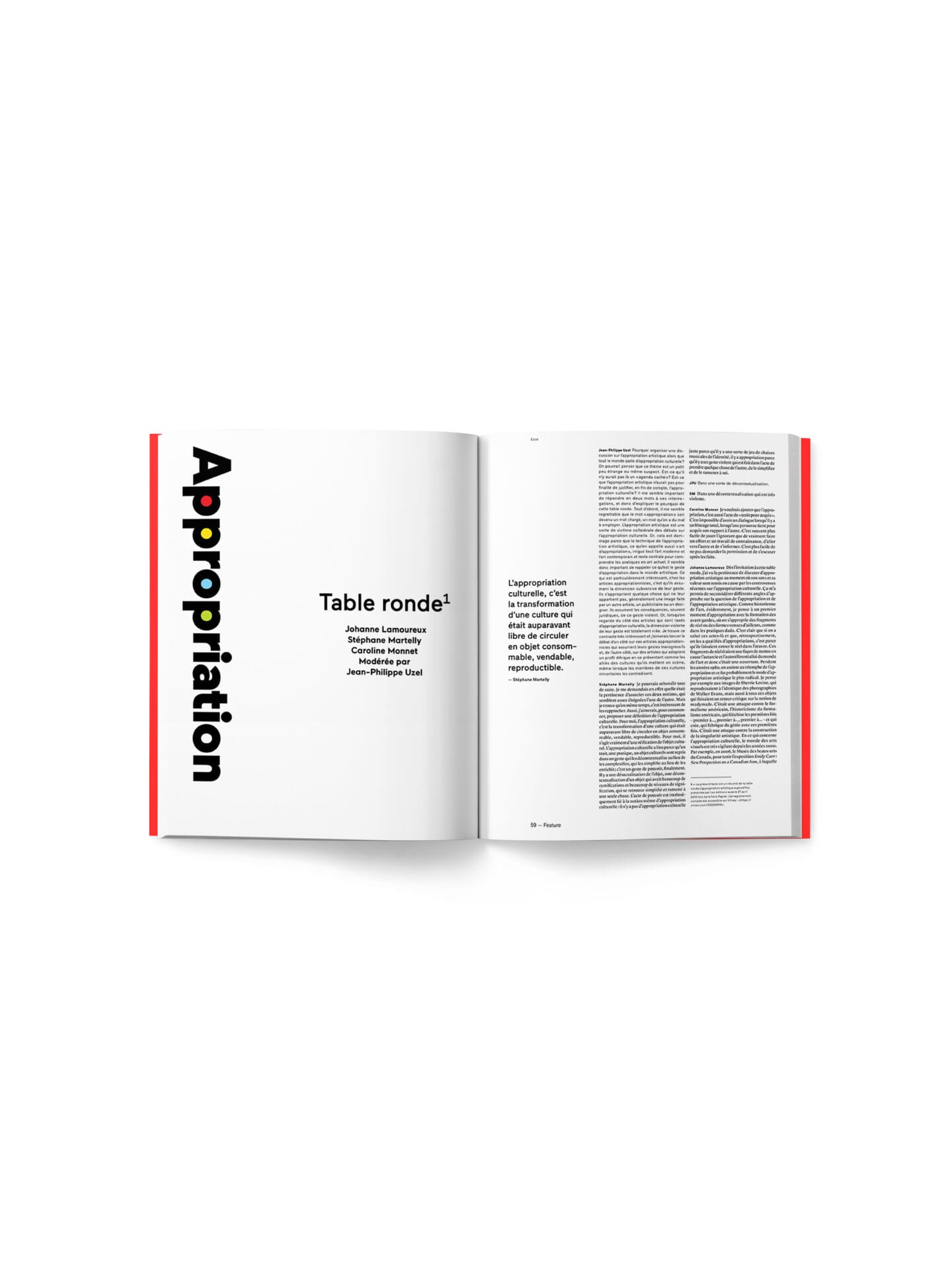
Jean-Philippe Uzel : Why organize a discussion on artistic appropriation when everyone is talking about cultural appropriation? The subject might seem a bit odd, or even suspect. Is there a “hidden agenda” here? Isn’t the goal of artistic appropriation ultimately to justify cultural appropriation? I think it’s important to respond to these questions briefly, and, in the process, explain why we’re having this panel. First, it seems regrettable that “appropriation” has become such a loaded word, with “negative” connotations. Artistic appropriation is a sort of collateral victim of debates on cultural appropriation. That’s a pity, because the technique of appropriation in art, or what is also known as “appropriationism,” permeates all of modern and contemporary art and is central to understanding today’s art practices. So, it seems important to revisit the gesture of appropriation in the context of the art world. What is particularly interesting is that the artists who use appropriation embrace the subversive aspect of their gesture. They appropriate something that doesn’t belong to them — generally an image made by another artist, advertising creative, or designer — and assume the consequences, often legal, of this violent act. Yet, when it comes to artists who are accused of cultural appropriation, the violent aspect of their gesture is totally denied. I find this contrast significant, and I’d like to launch the debate with this idea: on the one hand, appropriation artists who take responsibility for their transgressive gestures and, on the other hand, artists who adopt an ethical stance by presenting themselves as allies of the cultures that they highlight, even when members of these minority cultures contradict them.
This content is available with a Digital or Premium subscription only. Subscribe to read the full text and access all our Features, Off-Features, Portfolios, and Columns!
Already have a Digital or Premium subscription?
Don’t want to subscribe? Additional content is available with an Esse account. It’s free and no purchase will ever be required. Create an account or log in:
Just want this one? Get instant access for $8.00.