Photo: Emily Jacir, courtesy of the artist & Dar Yusuf Nasri Jacir for Art and Research, Bethlehem
The Politics of Planting in Occupied Territories
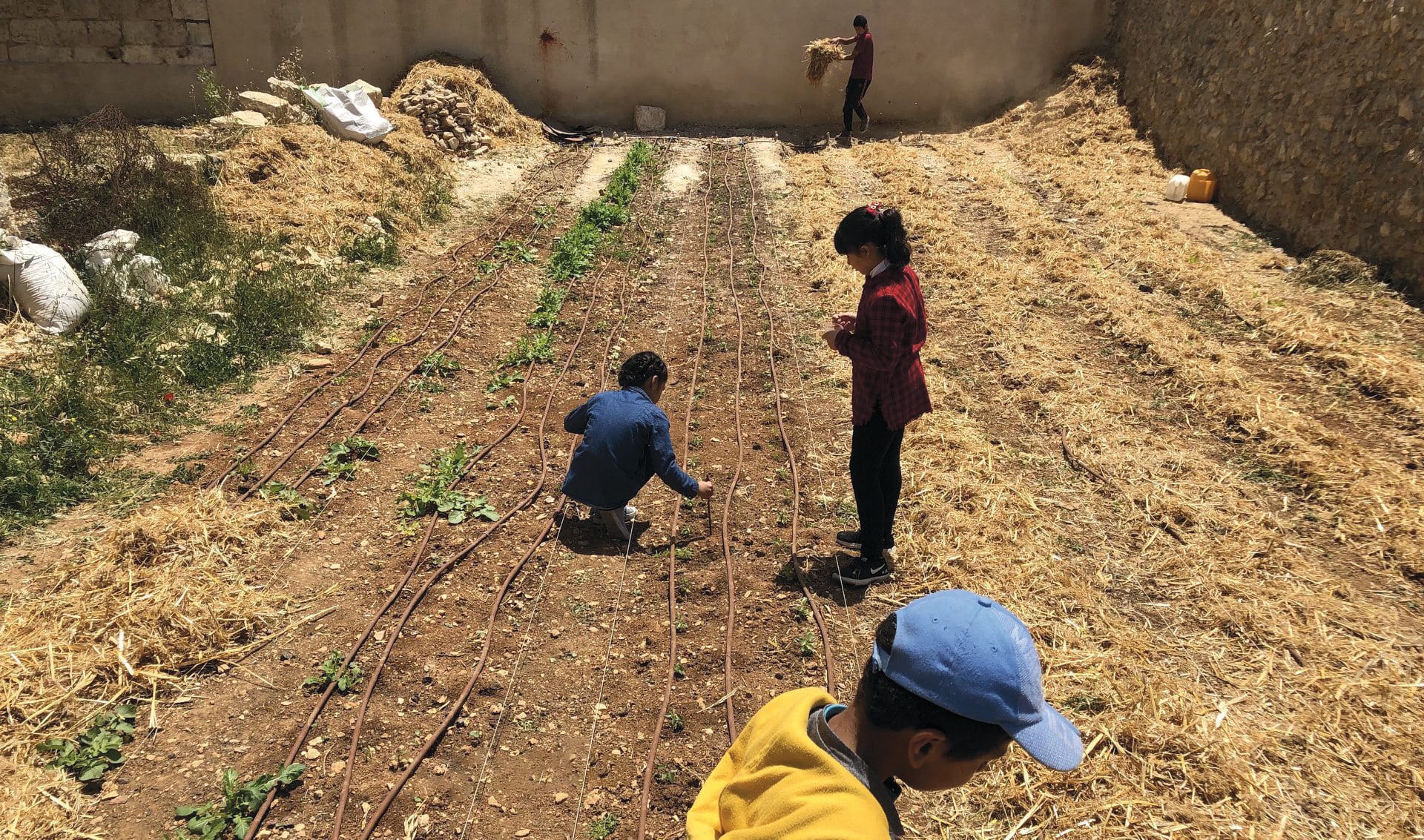
SuperMelon made its entrance on social media on April 15, 2023. Focusing on food sovereignty in occupied Palestine, it sought to connect artists, researchers, local farmers, and activists to initiate a multi-faceted discussion and counter the increasing disconnection between society and food production. The inaugural series of public events — the Foraging Fireflies festival — took place both in Ramallah and in rural locations outside the city, and included workshops, walks, film screenings, wheat harvesting, activities for kids, lectures, performances, public debates, and obviously, celebratory collective meals made with local products. In this way, SuperMelon exposed two topics emerging at the intersection of agriculture, food, and activism: presenting agriculture-related interventions as artistic and simultaneously positioning these interventions — without disguising their political statements — within what T. J. Demos calls “political ecology.”2 2 - T. J. Demos, Decolonizing Nature: Contemporary Art and the Politics of Ecology (Berlin: Sternberg Press, 2016).
This content is available with a Digital or Premium subscription only. Subscribe to read the full text and access all our Features, Off-Features, Portfolios, and Columns!
Already have a Digital or Premium subscription?
Don’t want to subscribe? Additional content is available with an Esse account. It’s free and no purchase will ever be required. Create an account or log in:
Just want this one? Get instant access for $8.00.


