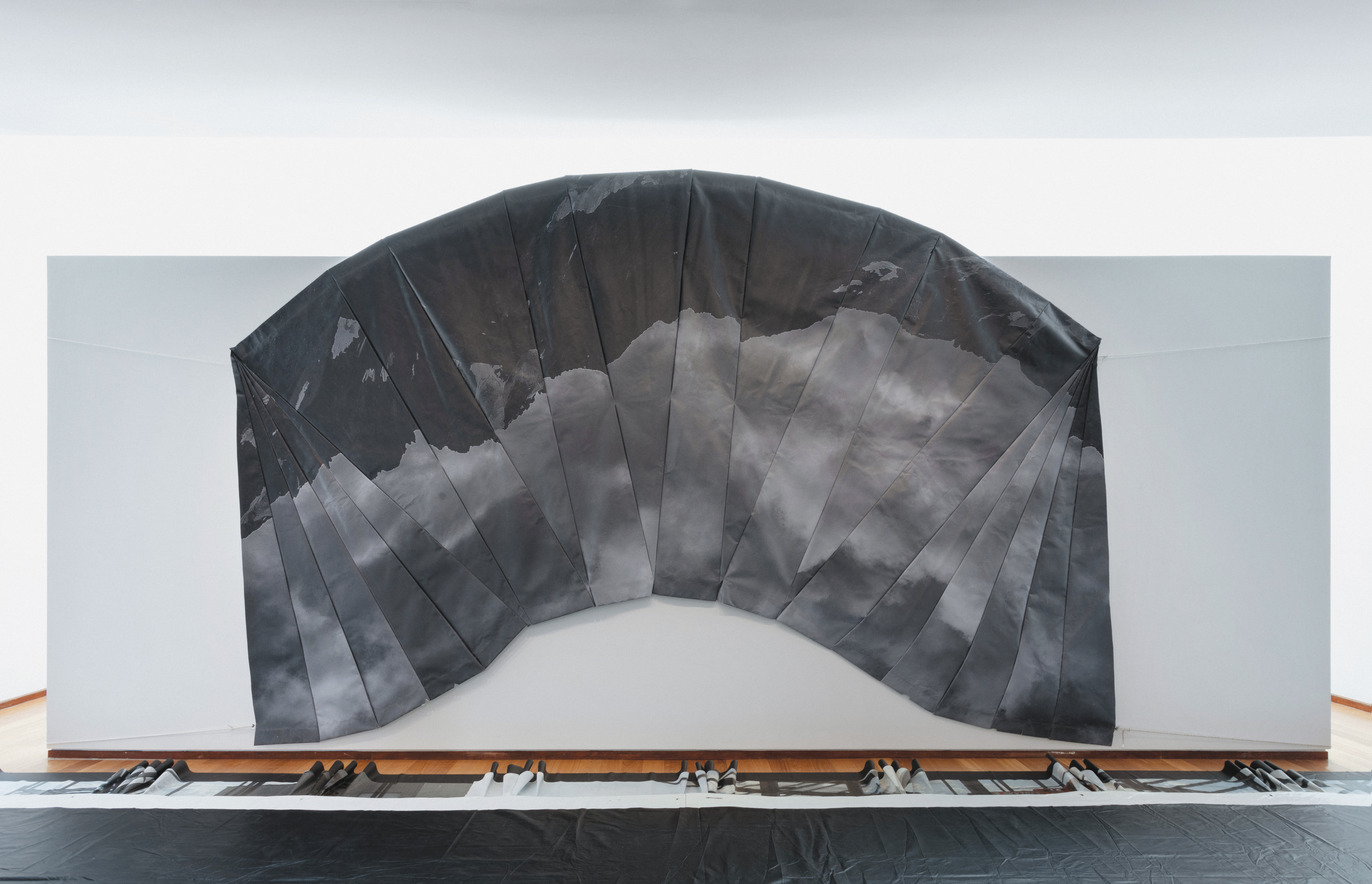
Published first in Germany and then throughout Europe in 1814, Peter Schlemihl, a novella by Adalbert von Chamisso,1 1 - Adalbert von Chamisso, Peter Schlemihl, trans. H. von Chamisso, rev. by the author; preface by Pierre Péju, “L’ombre et la vitesse” (Paris: José Corti, 1994). was an immediate and spectacular success: no fewer than eighty German editions of the work were available between 1814 and 1919, and the first French version went through thirty-three editions. The book recounts the strange tale of Peter Schlemihl, who gives his shadow away to a suspicious-looking figure bearing a striking resemblance to the devil, in exchange for an inexhaustible fortune. But to be without a shadow is not to be free of torment: Schlemihl is cut off from others by this singular absence, this unparalleled solitude that only deepens, and is forced to go out only at night to prevent others from seeing what has quickly become an infirmity — indeed, a flaw and a curse. The tragic embodiment of the misfortune of the lost shadow, a sort of inexorable dehumanization that lies in wait for the person who leaves nothing behind in his wake, Schlemihl has impressed, if not fascinated, numerous readers over many years.
Photos : permission de | courtesy of the artist and galleries Yvon Lambert, Micheline Szwajcer, Johnen Galerie, and Rüdiger Schöttle
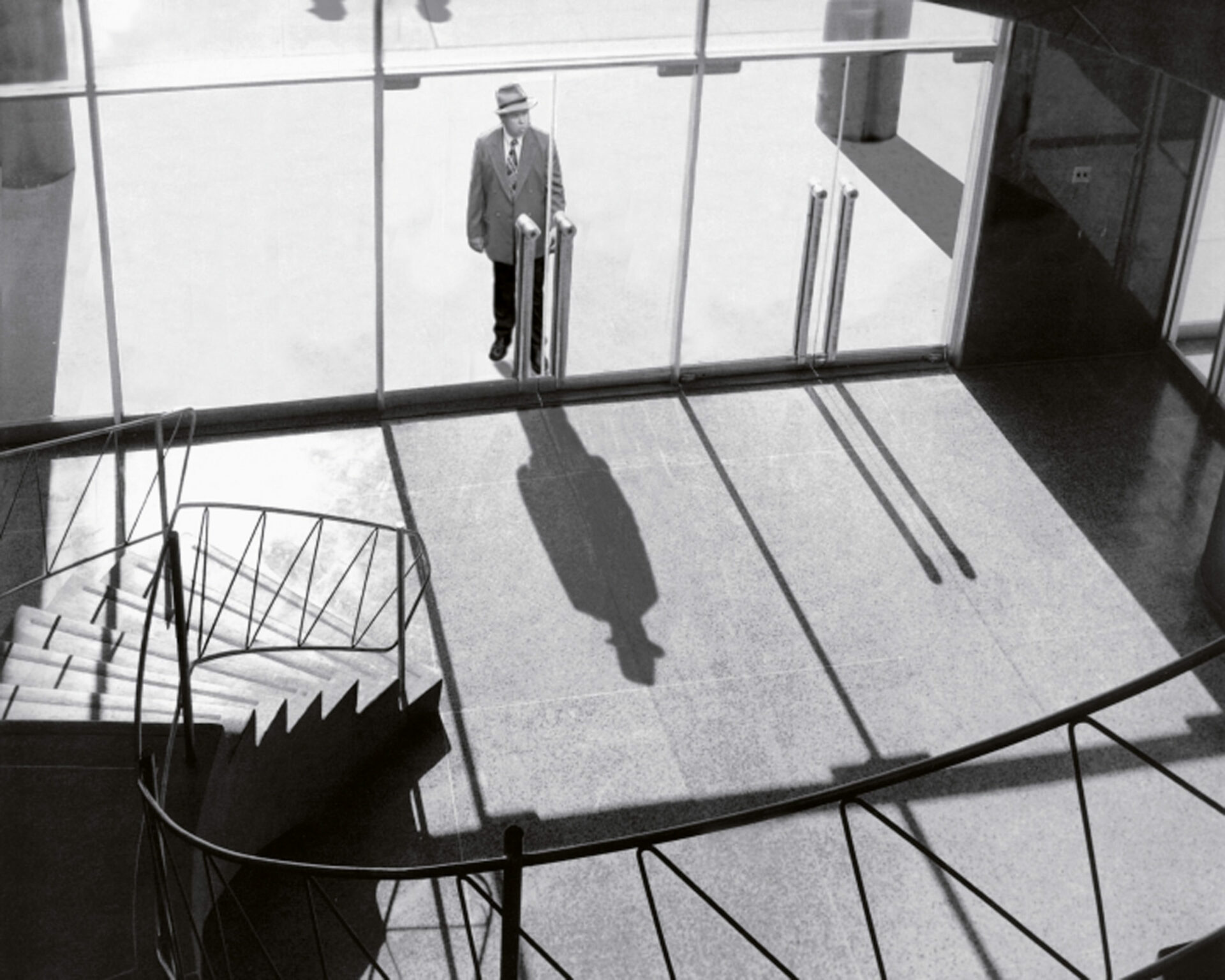
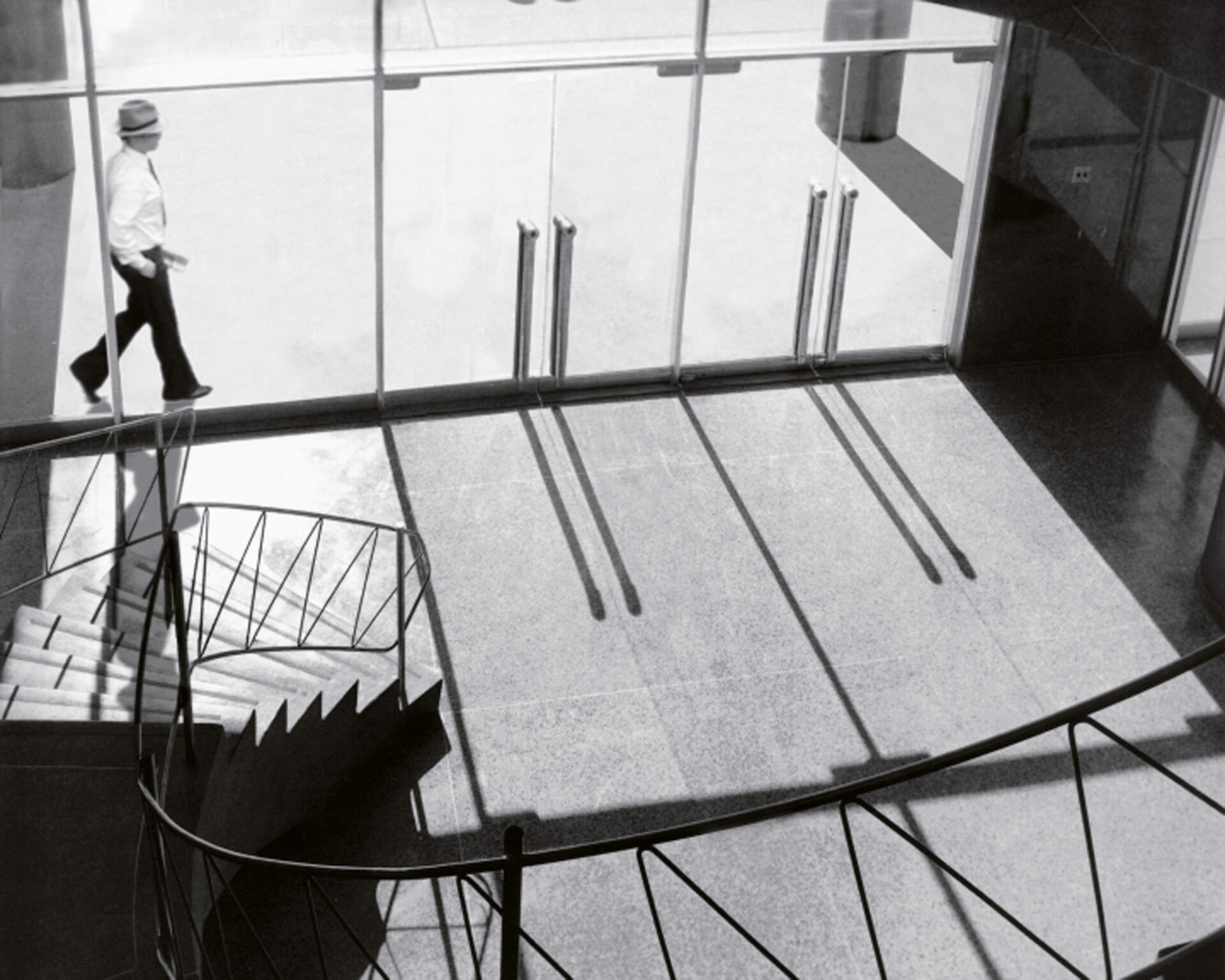
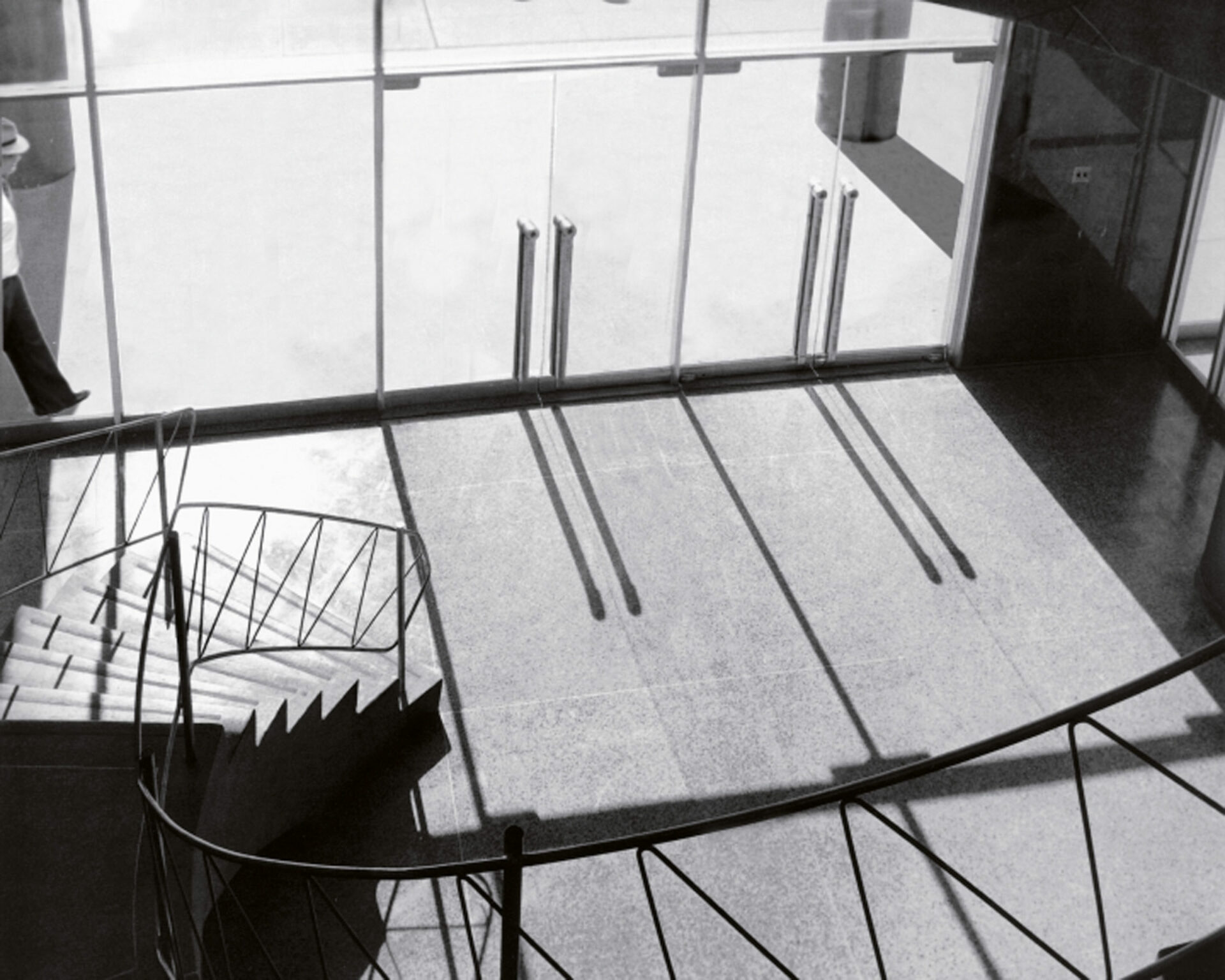
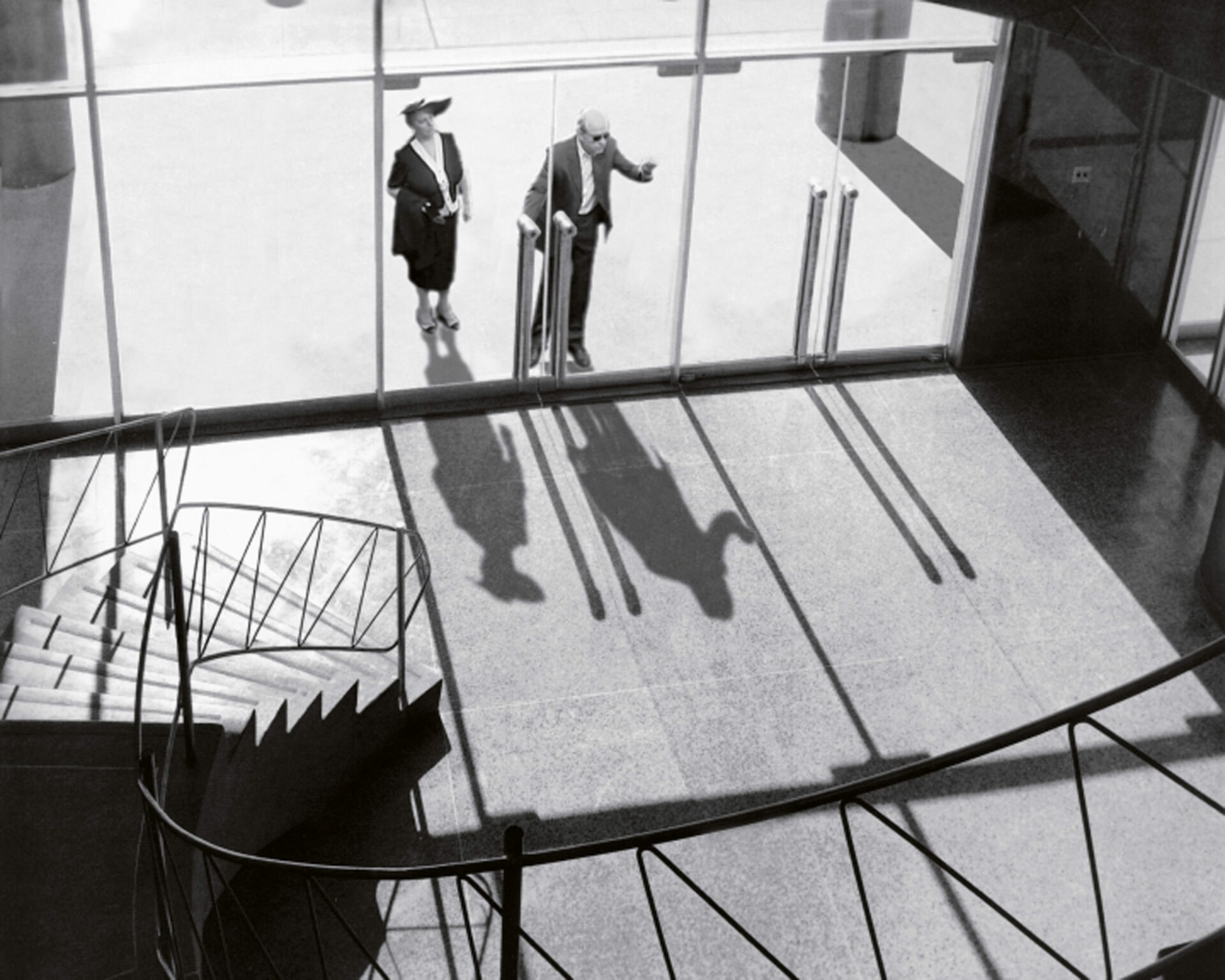
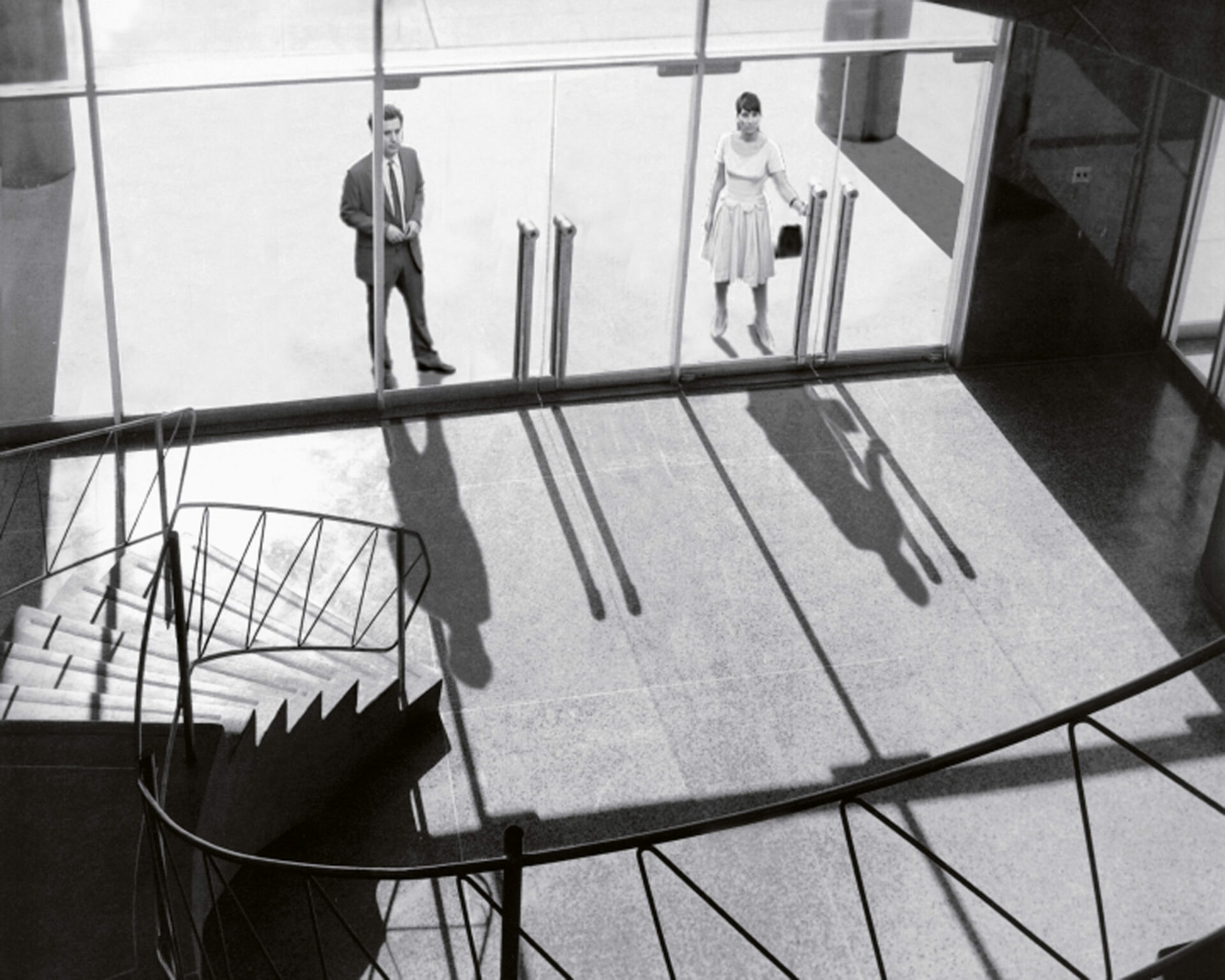
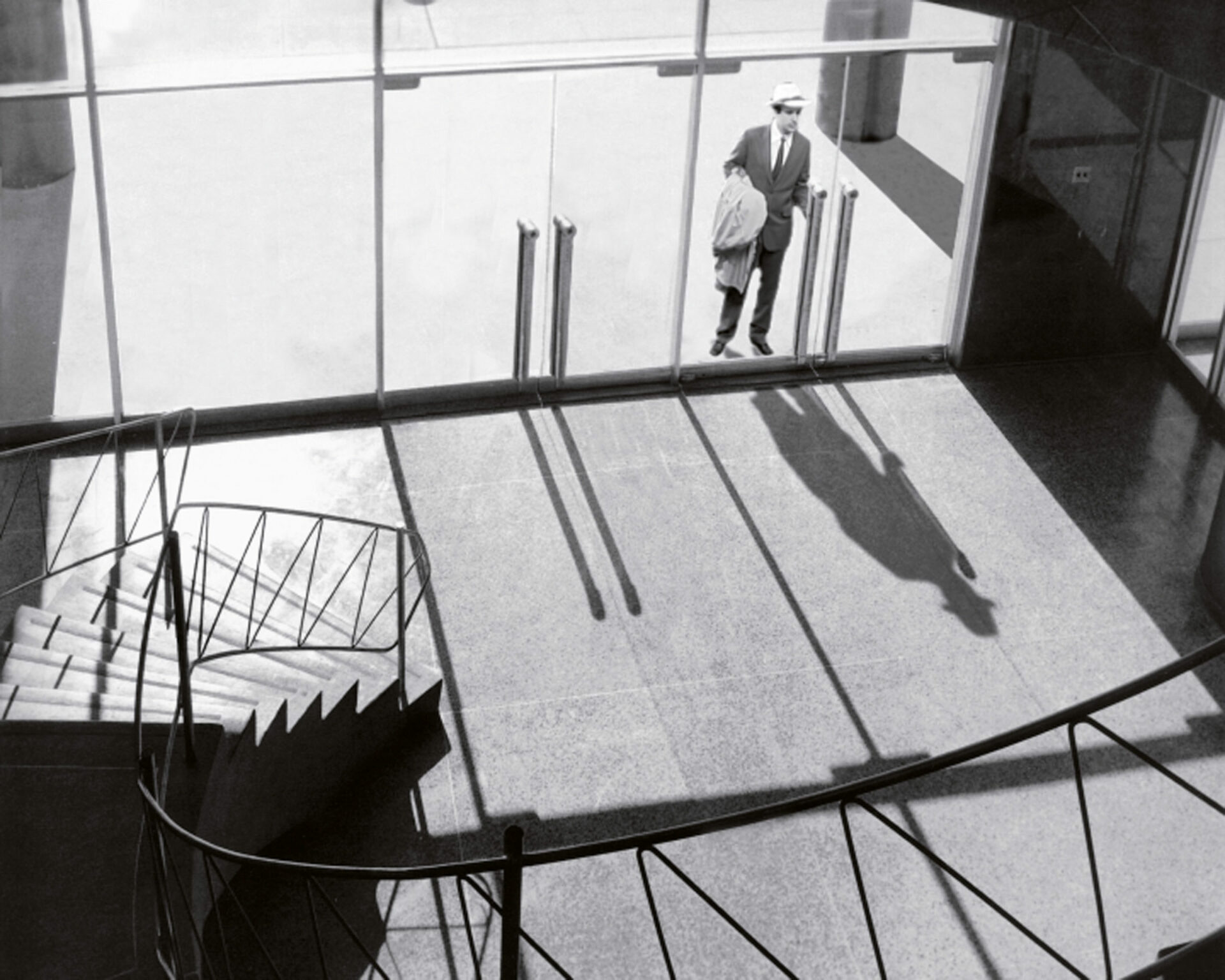
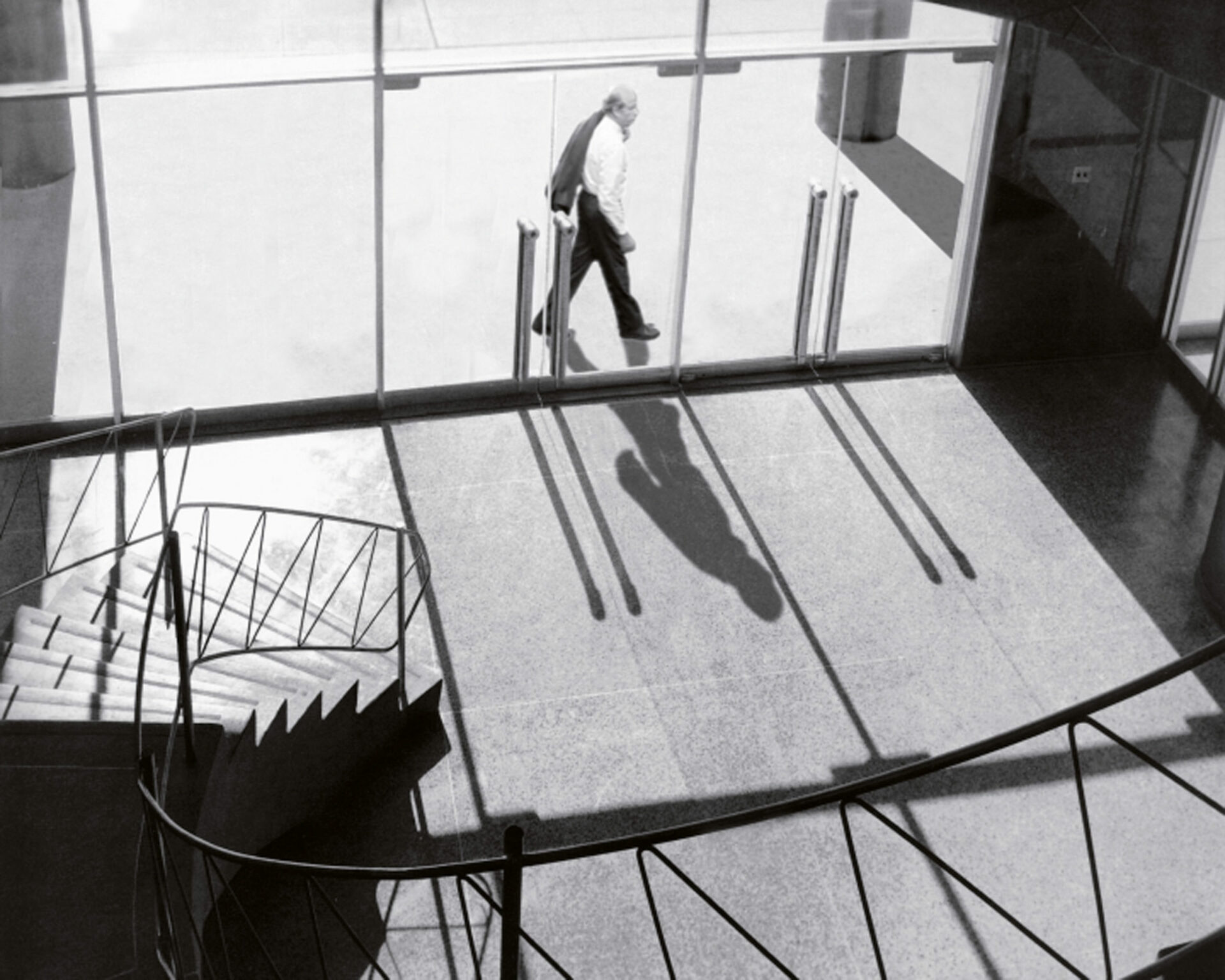
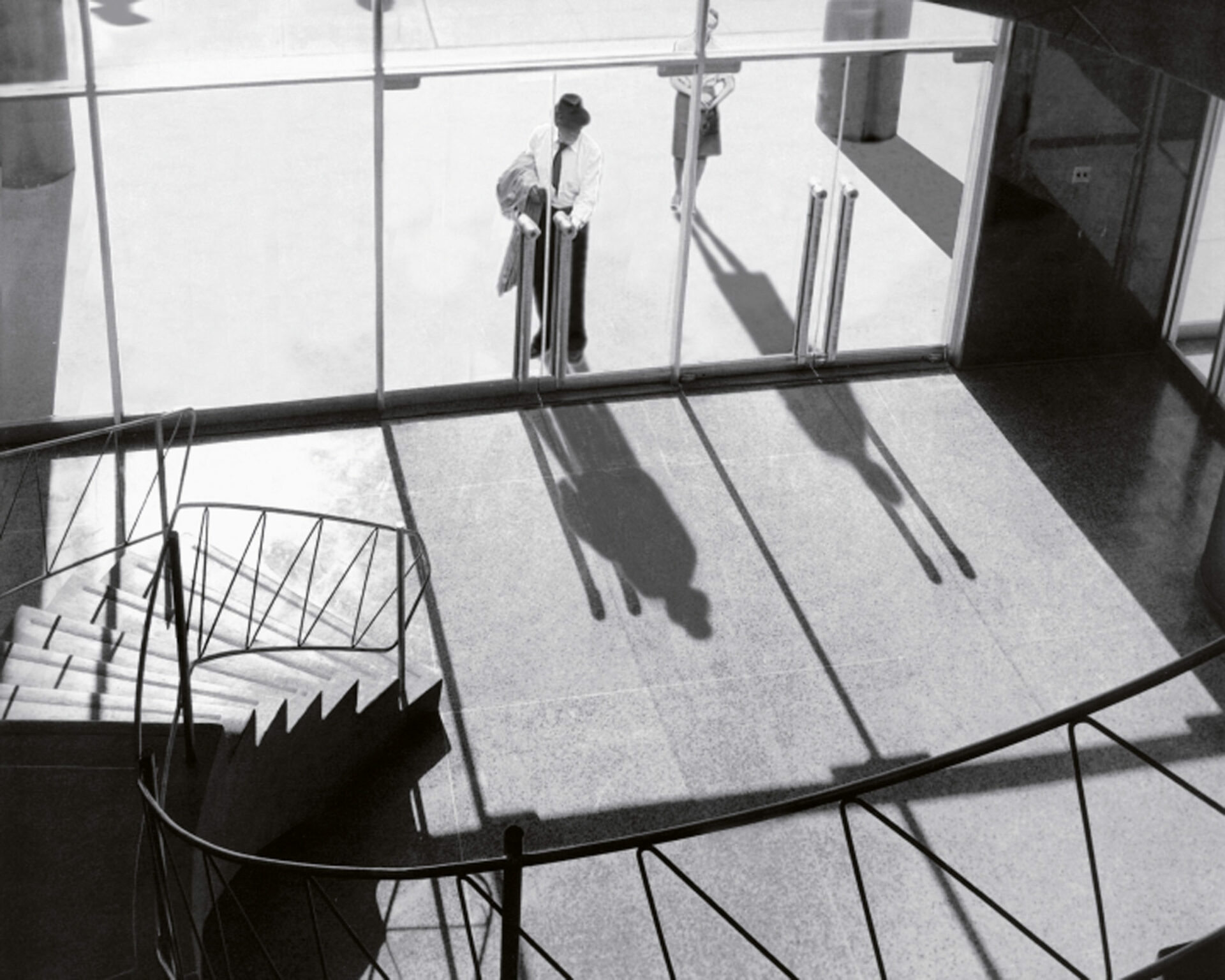
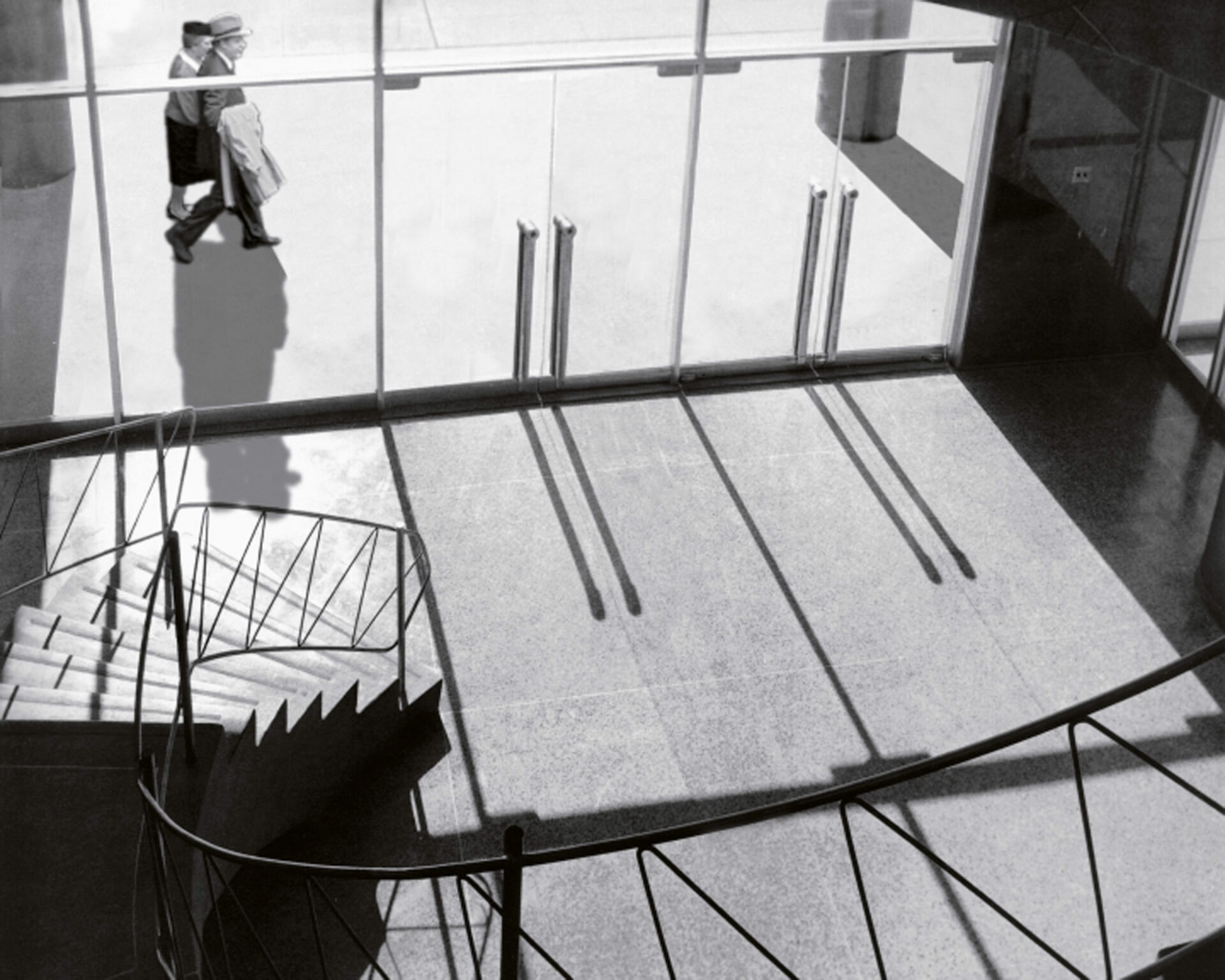
Such an affliction could never strike the figures that populate the works of Belgian artist David Claerbout because of one remarkably constant feature that is clearly visible in all of his films: the absolute solidarity that exists between the bodies of his subjects and the shadows that they cast. It is as if each could connect only under the aegis of their joint appearance, their simultaneous presence and indissociable existence, luminous and nocturnal at the same time. A 2005 work with the programmatic title Shadow Piece directly foregrounds this condition. The impetus for this thirty-minute black-and-white video was an archival photograph that Claerbout chanced upon; it was taken from an interior stairway of a building that could conceivably serve as an exemplar for the kind of glass architecture extolled by Paul Scheerbart.2 2 - Paul Scheerbart, L’Architecture de verre, trans. P. Galissaire, preface by Daniel Payot, “La sobriété ‘barbare’ de Paul Scheerbart” (Paris: Circé, 1995). The film shows the building entrance closed off by a series of glass doors. Various people walk up to this transparent barrier and take turns trying to open the doors, but to no avail. A light source located behind them casts their shadows inside. These shadows are the only form and, ultimately, the only shadowy matter capable of penetrating what amounts to a transparent box. The figures who file by owe whatever presence and singularity they possess to these grey puddles, which serve as fluid and impalpable signatures that are nonetheless real and material enough to pierce the borders of the space. While the upper section of the video image plays host to the continuous movement of the figures, who seem straight out of some 1950s American film noir, the lower half is static and strictly photographic in nature. We can begin viewing this work at any point, walk away from it at any time, and come back to it whenever we feel like it — none of this makes the slightest difference because, like many of Claerbout’s works, it has no beginning or end. It is a purely visual and temporal experience that shows a scene, but has no story or narrative. What does this “shadow play”3 3 - Translator’s note: The French word pièce can also mean “play,” and the author avails himself of this dual meaning to expand on the ramifications of the title. say to us, what does it show? Mainly, it confirms that these figures’ identities are inseparable from the active presence of their flat, dark projections in space, that no living creature filmed by the artist — and this applies also to those of his own invention — can dispense with the visible and spectral trace of its dark double. Consequently, the character of Peter Schlemihl appears more incongruous and impossible here than in reality itself: the shadow participates fully and without exception in whatever makes the subject a subject and the body a body, and this includes those moments when the scene in which the subject appears is wholly invented. It makes human beings fully and wholly present in the image, imbues that image with the weight of material reality, and sets the parameters within which its duration as a work of art is manifested.
This content is available with a Digital or Premium subscription only. Subscribe to read the full text and access all our Features, Off-Features, Portfolios, and Columns!
Already have a Digital or Premium subscription?
Don’t want to subscribe? Additional content is available with an Esse account. It’s free and no purchase will ever be required. Create an account or log in: