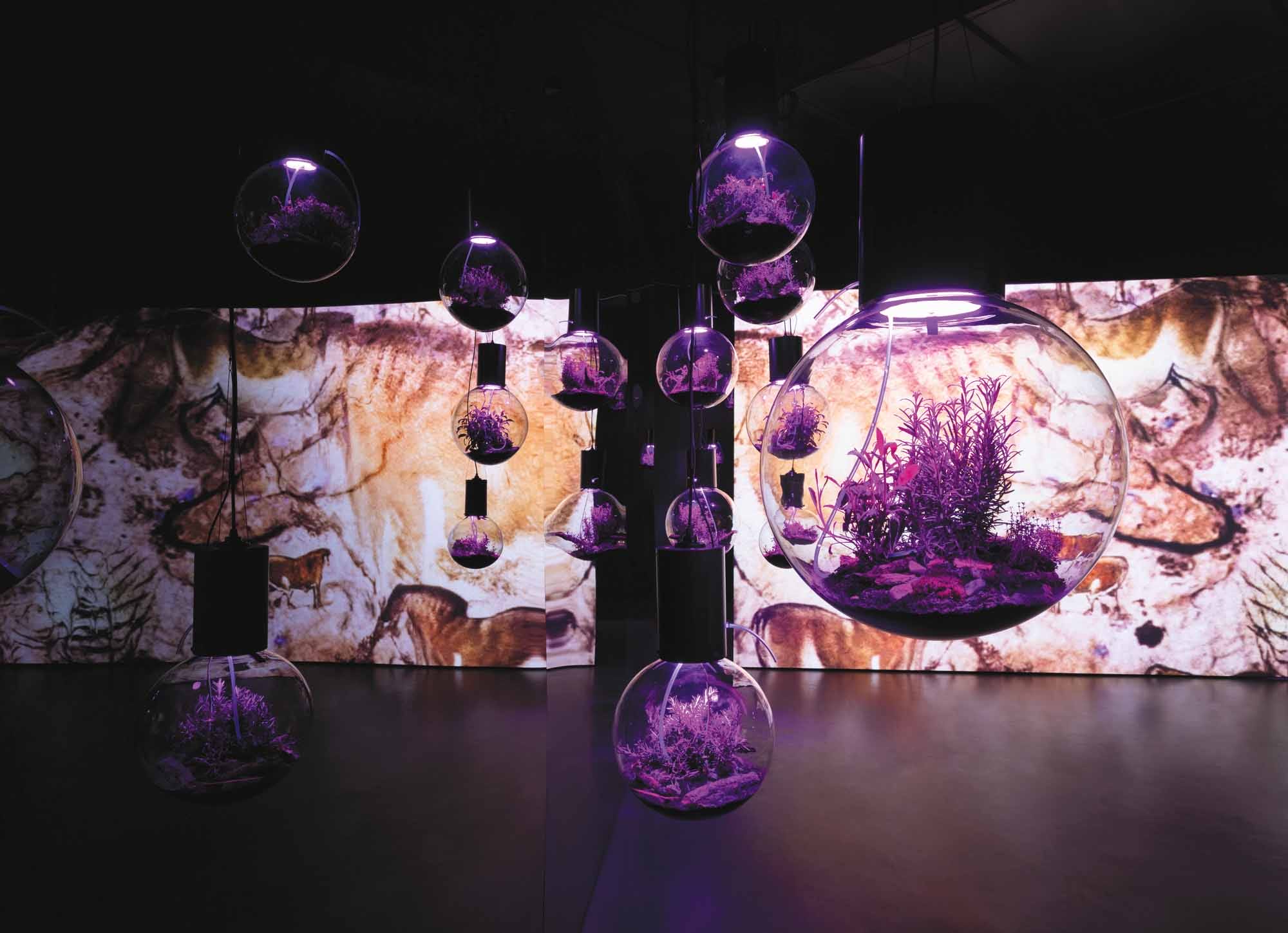
Photo : © Márta Rácz
The Library and the Reconstruction of Discarded History
Accordingly, knowledge consumers become at the same time knowledge producers (“prosumers”), who are increasingly finding the public library to be an ideal environment for their creations. Notably, this is not limited to high technologies and digital literacy alone. Although it is fundamental to the process of making accessible to many a range of (almost professional) apps for inventing, managing, and exploiting, it also applies to handcrafting, reading, writing, painting, and playing music. The valence of contemporary libraries as performative spaces also lies in their enabling the convergence of a diversity of expressive tools, encouraging experimentation and “hybridization” across different forms of creativity, producing new personal content that can be shared with the community.5 5 - Lawrence Lessig, Remix: Making Art and Commerce Thrive in the Hybrid Economy (London: Bloomsbury, 2008).
This content is available with a Digital or Premium subscription only. Subscribe to read the full text and access all our Features, Off-Features, Portfolios, and Columns!
Already have a Digital or Premium subscription?
Don’t want to subscribe? Additional content is available with an Esse account. It’s free and no purchase will ever be required. Create an account or log in: